Cash Envelopes vs. Digital Wallets: Which Prevents Overspending Better?
Hello, welcome to my website. Want to take full control of your financial future? At Keygenpost (https://www.keygenpost.my.id/), we provide a comprehensive financial literacy guide specifically designed for everyone. Discover practical secrets to managing your personal finances, learn smart steps to start investing, and discover effective strategies for generating stable additional income. Whether you're just starting to learn to save or looking for ways to grow your assets, Keygenpost is ready to be your trusted partner, equipping you with the best financial insights on your path to financial freedom. Happy reading.
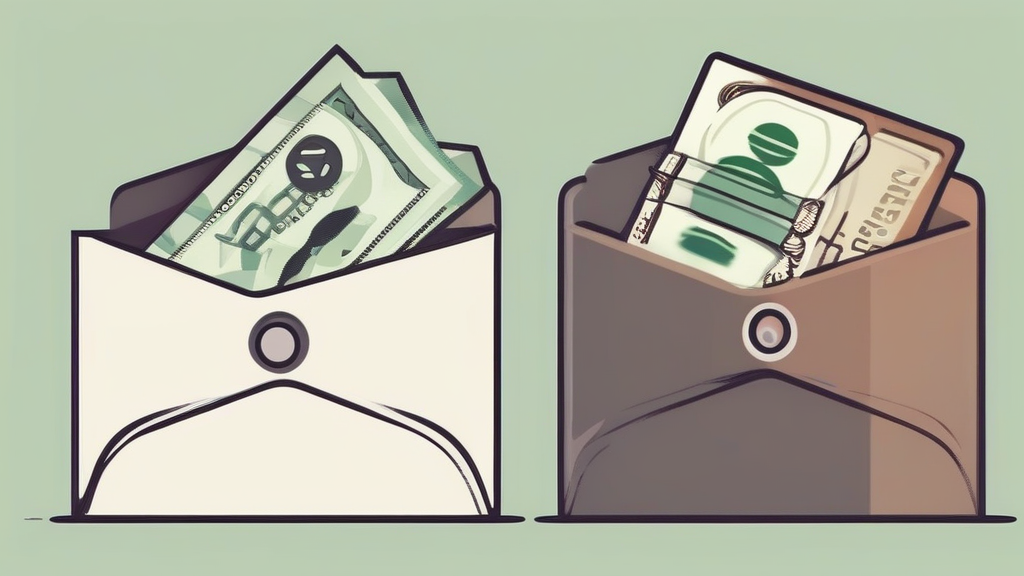
When I first started tracking my expenses, I realized that using a cash envelope system for impulse control was the only thing standing between me and a completely drained bank account. It is easy to swipe a card or tap a phone without feeling the weight of the transaction, but handing over physical bills creates a psychological barrier that is hard to ignore.
- Physical cash triggers the "pain of paying," which naturally reduces impulsive shopping habits.
- Digital wallets offer unparalleled convenience and tracking but remove the tactile friction necessary for some spenders.
- The most effective strategy often involves a hybrid approach that leverages digital tracking with physical spending limits.
The Psychology Behind the Cash Envelope System for Impulse Control
Why does physical cash work so much better for some of us than a sleek app? It comes down to how our brains process money. When you use a digital wallet, the transaction is abstract. You see a number on a screen go down, but you don't see the physical resource leaving your possession.
The cash envelope system for impulse control forces you to stop and think. When your "Dining Out" envelope is empty, it is empty. There is no overdraft protection or "just one more swipe" mentality. You are physically unable to spend what you don't have on your person.
This method is a cornerstone of the philosophy popularized by figures like Dave Ramsey. While some critics argue it is outdated in an age of instant payments, the effectiveness of the physical limitation is undeniable for those struggling with self-discipline.
Is the Envelope System Still Relevant?
Absolutely. While digital tools provide data, they rarely provide behavioral change. If you have an ADHD brain or simply struggle with the "out of sight, out of mind" nature of credit cards, the tactile experience of stuffing cash into envelopes provides a visceral feedback loop.
I’ve found that the 100 envelope challenge is a fun, gamified version of this. It forces you to save specific amounts daily or weekly, turning the chore of budgeting into a tangible achievement. It works because it forces you to interact with your money daily.
Digital Wallets: The Convenience Trap
Digital wallets are undeniably efficient. They allow for contactless payment, which saves time and integrates perfectly with automated budgeting software. You get beautiful graphs and charts that categorize your spending automatically.
However, that convenience is exactly what makes them dangerous for impulsive spenders. When the friction of paying is removed, the barrier to buying drops to near zero. You aren't just paying for goods; you are paying for the ease of the process itself.
The Danger of "Invisible" Money
Most of us spend more when we don't feel the money leaving our hands. Digital wallets often hide the total balance behind a face ID scan or a quick tap. This lack of visibility makes it easy to lose track of how much you have left for the month.
If you rely solely on apps, you might be surprised by a low balance alert at the end of the month. That is the opposite of the control you need to build long-term wealth.
Comparing Features: Which System Suits You?
Choosing between these two isn't necessarily an "all or nothing" decision. You have to look at your personal triggers. If you are a chronic online shopper, physical envelopes won't help you with your Amazon habit. If you are a chronic "swipe and go" shopper at grocery stores, cash envelopes will change your life.
- Cash Envelopes: High friction, high awareness, zero digital tracking. Best for discretionary spending like food, entertainment, and hobbies.
- Digital Wallets: Low friction, high convenience, automated tracking. Best for recurring bills, subscriptions, and rent.
How to Combine Both for Maximum Effectiveness
I personally use a hybrid model. I keep my fixed expenses like rent, insurance, and utilities on autopay via my digital accounts. For my "variable" spending—the stuff that actually causes me to overspend—I switch to cash.
This ensures that my essential bills are never missed while my "fun" money is strictly regulated by the amount of paper in my wallet. It is a simple shift that keeps me from feeling guilty about my spending, because I know exactly how much I have allocated for the week.
Frequently Asked Questions (FAQ)
Does Dave Ramsey use the envelope system?
Yes, Dave Ramsey is the most prominent advocate for the cash envelope system. He teaches that using cash is the most effective way to stay on a budget and avoid debt because it forces you to stop spending when the money is gone.
Does the 100 envelope challenge really work?
It works for many people because it turns saving into a tangible, visual game. By putting specific amounts of money into 100 envelopes, you create a physical representation of your progress, which helps build the habit of setting money aside.
Can digital wallets ever be as good as cash for impulse control?
Only if you use them with strict, self-imposed guardrails. Features like "spending caps" or moving money to a separate, card-less account can mimic the limitations of cash, but they lack the psychological "pain of paying" that physical currency provides.
At the end of the day, the best tool is the one you actually stick with. Whether you prefer the tactile nature of physical envelopes or the streamlined ease of digital tools, the key is to be intentional. Pick a method, test it for a month, and watch your impulse spending habits shift toward a healthier financial future.
Please leave a comment so that I am more enthusiastic about making articles on this website and more enthusiastic about living an incomparable life.
Post a Comment for "Cash Envelopes vs. Digital Wallets: Which Prevents Overspending Better?"