Why Your Water Heater is Costing You a Fortune (And How to Fix It)
Hello, welcome to my website. Want to take full control of your financial future? At Keygenpost (https://www.keygenpost.my.id/), we provide a comprehensive financial literacy guide specifically designed for everyone. Discover practical secrets to managing your personal finances, learn smart steps to start investing, and discover effective strategies for generating stable additional income. Whether you're just starting to learn to save or looking for ways to grow your assets, Keygenpost is ready to be your trusted partner, equipping you with the best financial insights on your path to financial freedom. Happy reading.
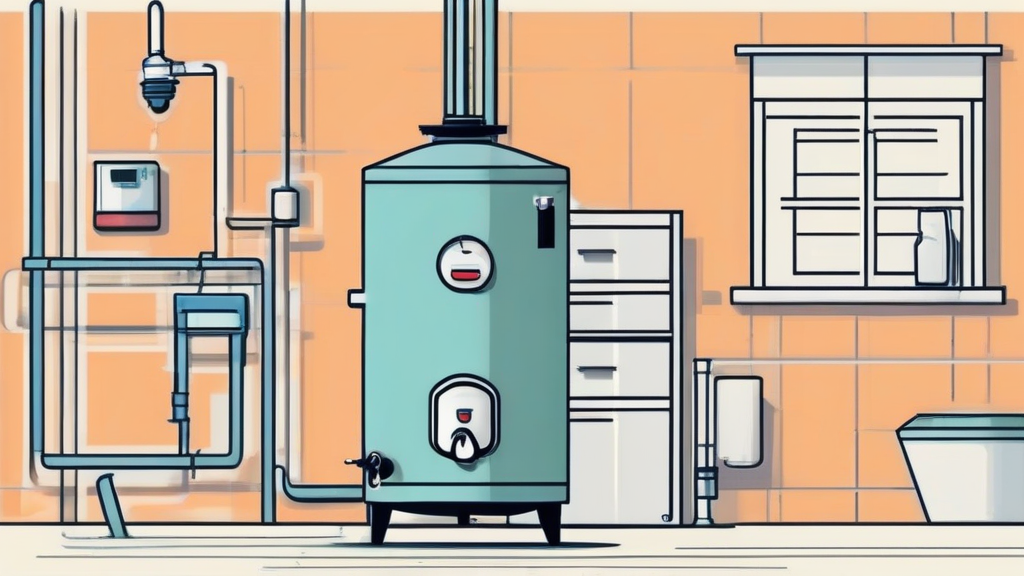
Have you ever looked at your utility bill and felt like your jaw was about to hit the floor? I remember the first time I realized my water heater was essentially a silent, energy-guzzling monster sitting in my garage. It was eating up a massive chunk of my paycheck every single month, and for what? A slightly warmer shower?
If you are tired of watching your hard-earned money vanish into thin air, you aren't alone. Implementing effective tips for saving electricity and water: drastically reduce monthly expenses is easier than you might think. By focusing on your water heating system, you can reclaim those lost dollars without sacrificing your comfort.
The Hidden Cost of Your Hot Water Tank
Most of us take hot water for granted. We turn the knob, wait a few seconds, and step into a warm stream of water. However, the mechanism behind that luxury is often inefficient and poorly maintained.
Your water heater works around the clock, even when you are sleeping or at work. It maintains a constant temperature in a large tank, which leads to significant standby heat loss. Essentially, you are paying to keep water hot that you aren't even using.
Many homeowners rely on a traditional storage water heater without realizing how much energy is required to keep that massive volume of water ready at a moment's notice. When the insulation isn't up to par, that energy literally leaks out into the surrounding air.
Why Efficiency Matters for Your Wallet
When you prioritize efficiency, you aren't just helping the planet. You are putting money back into your pocket. Think about the cumulative impact of small adjustments.
If you have an older unit, it is likely working twice as hard as it needs to. Sediment buildup at the bottom of the tank acts as an insulator between the heating element and the water. This forces the heater to stay on longer, driving up your power consumption significantly.
By learning a few tips for saving electricity and water: drastically reduce monthly expenses, you can extend the lifespan of your appliance and avoid costly emergency repairs. It’s about being proactive rather than reactive.
Immediate Steps to Slash Your Utility Bills
You don't need to be a professional plumber to start seeing results. Some of the most effective changes require nothing more than a screwdriver and a little bit of time.
Start by checking the temperature setting on your tank. Many manufacturers ship units set to 140 degrees Fahrenheit. This is unnecessarily high and can even be a scalding risk. Turning it down to 120 degrees is a simple, effective way to save energy immediately.
- Lower your thermostat to 120°F.
- Insulate your hot water pipes to prevent heat loss during transit.
- Install a water heater blanket if your tank feels warm to the touch.
- Fix leaky faucets—a single drip can waste hundreds of gallons a year.
These adjustments might seem minor, but they add up. When you stop the waste, you stop the bleeding of your bank account.
The Role of Maintenance in Energy Conservation
Maintenance is the secret weapon of the frugal homeowner. If you ignore your system, it will ignore your budget constraints.
One of the most important things you can do is flush your tank annually. Over time, minerals from your local water supply settle at the bottom of the tank. This is known as sediment buildup.
When the bottom of the tank is coated in sediment, the heating element has to work through that layer of sludge to heat the water. It’s like trying to boil water through a thick blanket. It takes longer, uses more energy, and stresses the hardware.
Long-Term Strategies for Drastically Reduce Monthly Expenses
If your unit is nearing the end of its life, don't just replace it with the same model. The technology has evolved rapidly, and there are much more efficient options available today.
Consider the benefits of a tankless system. These units provide hot water on demand, meaning you aren't paying to keep a large tank of water hot 24/7. It's a game-changer for anyone looking to optimize their energy efficiency.
Upgrading Your Fixtures
Sometimes the problem isn't the heater itself; it’s how much water you’re sending down the drain. If you have old showerheads, you are likely using way more water than necessary.
Switching to low-flow fixtures is one of the most effective tips for saving electricity and water: drastically reduce monthly expenses. You get the same pressure and experience, but with a fraction of the volume.
Think about it this way: less water used means less water that your heater needs to process. It’s a double win for your utility bill. You are saving on both your water usage and the electricity required to heat that water.
How to Monitor Your Success
How do you know if your efforts are working? Tracking your progress is essential. Don't just hope for the best—look at the numbers.
Compare your current bill to the same month from the previous year. You might be surprised to see a 10% or even 20% drop in costs after just a few simple tweaks. This data gives you the motivation to keep going.
If you find that your bills aren't dropping, it might be time to call in a professional to inspect for hidden leaks or faulty wiring. Sometimes, the issue is deeper than a simple setting change.
Common Pitfalls to Avoid
Don't fall for the "set it and forget it" trap. Even if you make these changes, you need to stay vigilant. Check your pipes for moisture and listen for odd noises coming from your water heater.
Strange popping or rumbling sounds are classic signs of sediment buildup. If you hear them, don't ignore them. Address them before they lead to a total system failure.
Also, avoid the temptation to lower the temperature below 120 degrees too drastically. While you want to save, you also need to ensure that the water is hot enough to prevent bacteria growth within the tank.
Creating a Sustainable Routine
Saving money isn't a one-time event. It’s a habit. Once you start seeing those lower bills, it becomes addictive. You’ll start looking for other areas in your home to improve.
Start by educating everyone in your household. If your kids or roommates are taking 30-minute showers, your efforts at the heater will be undermined. Explain why it matters and encourage them to be mindful of their usage.
Small changes in behavior, combined with the technical adjustments we've discussed, create a powerful synergy. You are building a home that is smarter, cheaper to run, and more efficient.
Final Thoughts on Your Financial Freedom
Taking control of your water heating costs is a significant step toward financial stability. By applying these tips for saving electricity and water: drastically reduce monthly expenses, you are taking a stand against unnecessary waste.
It’s not just about the money, though. It’s about the peace of mind that comes with knowing you aren't being taken advantage of by an inefficient appliance. You have the power to change how your home operates.
Start today. Go check your temperature setting, look for leaks, and consider your next upgrade. Your future self—and your bank account—will definitely thank you for it. Why wait for the next bill to arrive when you can start saving right now?
Please leave a comment so that I am more enthusiastic about making articles on this website and more enthusiastic about living an incomparable life.
Post a Comment for "Why Your Water Heater is Costing You a Fortune (And How to Fix It)"