Rainwater Harvesting Systems: Are They Legal and Cost-Effective for Your Home?
Hello, welcome to my website. Want to take full control of your financial future? At Keygenpost (https://www.keygenpost.my.id/), we provide a comprehensive financial literacy guide specifically designed for everyone. Discover practical secrets to managing your personal finances, learn smart steps to start investing, and discover effective strategies for generating stable additional income. Whether you're just starting to learn to save or looking for ways to grow your assets, Keygenpost is ready to be your trusted partner, equipping you with the best financial insights on your path to financial freedom. Happy reading.
Is Collecting Rainwater Actually Worth the Effort?
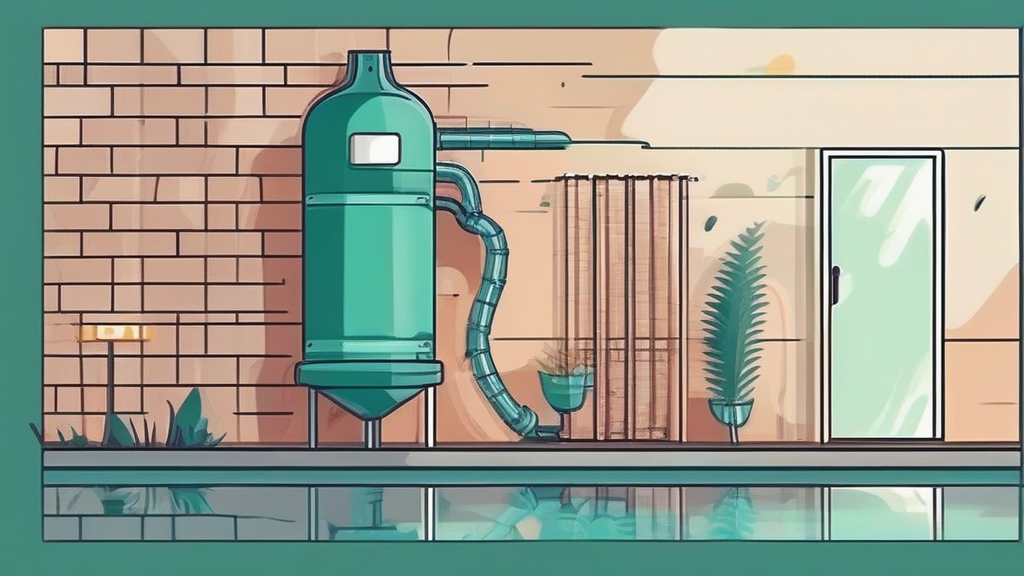
I remember standing in my backyard during a torrential downpour last spring, watching hundreds of gallons of water rush off my roof and straight into the storm drain. It felt like watching money literally wash away. That was the moment I started researching rainwater harvesting systems, and I quickly realized that many people are missing out on a massive opportunity to cut their monthly overhead.
If you are tired of watching your utility bills climb, you are likely looking for practical tips for saving electricity and water: drastically reduce monthly expenses by taking control of your home’s resource consumption. It is a smart move. After all, why pay for treated municipal water to wash your car or irrigate your lawn when nature provides it for free?
However, before you go out and buy a massive cistern, we need to talk about the realities. Is it legal? Does it actually pay for itself? And more importantly, how does it fit into a broader strategy of reducing your home's environmental and financial footprint?
Understanding the Legality of Harvesting Rain
The first question most people ask is whether they are even allowed to collect rain. It sounds absurd, but in some jurisdictions, there are archaic laws regarding water rights. You might assume that because the rain falls on your roof, it belongs to you, but that isn't always the case in every state or country.
In many parts of the Western United States, for instance, water rights are strictly governed by the principle of prior appropriation. This means that even the water that lands on your property might be legally claimed by someone downstream. Before you invest in a system, check your local municipal codes or state water board regulations.
Fortunately, the tide is turning. Many local governments are now actively encouraging homeowners to install rainwater harvesting systems to reduce the strain on centralized water infrastructure. Some regions even offer tax incentives or rebates for homeowners who install rain barrels or larger catchment tanks.
The Nuances of Catchment Regulations
If you live in an urban area, you might face restrictions based on aesthetics or sanitation. Homeowners' associations (HOAs) are notorious for having rules about visible tanks. You might need to hide your system behind a fence or paint it to match your home’s siding. Don't skip this step; a fine from an HOA can quickly erase any savings you hoped to gain.
Also, consider the intended use of the water. If you plan on using it for indoor plumbing, the regulatory bar is much higher. You will likely need to comply with specific health department standards to ensure the water is treated properly. For most of us, starting with outdoor irrigation is the path of least resistance.
Are These Systems Truly Cost-Effective?
Let's get down to the math. If you buy a basic rain barrel for fifty dollars, it will pay for itself in a few seasons of watering your garden. But if you are looking at a complex, professional-grade system with pumps, filtration, and underground storage, the payback period can stretch into years, or even a decade.
To really maximize your investment, you have to look at the big picture. When you combine water collection with other tips for saving electricity and water: drastically reduce monthly expenses, you create a compounding effect. For example, using gravity-fed systems instead of electric pumps saves you money on your power bill while you save on your water bill.
Factors That Influence Your ROI
Your return on investment depends on several variables:
- The average annual rainfall in your specific geographic area.
- The total square footage of your roof (your catchment area).
- The cost of municipal water in your city.
- The type of system you choose (passive vs. active).
If you live in a desert climate, a small rain barrel won't do much. You would need a massive catchment system to see any real benefit. Conversely, if you live in a region with frequent, heavy rainfall, you can easily offset the cost of your garden water usage within a year or two.
Integrating Systems to Lower Utility Bills
Water and electricity are often linked. If you use a well, your water usage directly impacts your electricity consumption because of the pump. By using harvested rainwater for non-potable needs, you reduce the number of times your well pump cycles on. This is one of those hidden tips for saving electricity and water: drastically reduce monthly expenses that many people overlook.
Think about how much energy is required to treat and transport municipal water to your home. When you use your own harvested water, you are effectively taking a load off the municipal grid. It is a small act of self-sufficiency that pays dividends over time.
Simple Habits for Immediate Savings
You don't need a ten-thousand-dollar system to start seeing results. You can start today with simple behavioral changes. Fix those leaky faucets immediately. A slow drip can waste hundreds of gallons a month. Install low-flow aerators on your kitchen and bathroom sinks; they cost pennies and reduce water usage by up to 50 percent without sacrificing pressure.
Another great strategy is to look at your landscape. If you are growing thirsty plants that require constant irrigation, you are fighting a losing battle. Switch to native, drought-resistant plants that thrive in your climate. These plants require significantly less water and fertilizer, which reduces your maintenance costs and the need for constant watering.
The Technical Side: Filtration and Safety
Water quality is a serious concern if you plan on doing anything more than watering the lawn. When water washes off your roof, it picks up everything in its path: bird droppings, dust, leaves, and pollutants from the shingles. If you aren't careful, you could end up with a tank full of sludge.
You need a robust filtration system. Most basic setups use a simple mesh screen at the gutter intake to catch large debris. For a more sophisticated system, you might want a "first flush" diverter. This device captures the first few gallons of rain—which contain the most pollutants—and diverts them away from your tank.
Once the water is in the tank, it needs to be managed. If you store water for long periods, it can become stagnant, attracting mosquitoes or breeding algae. Keeping your tank dark and cool is essential. You might also consider adding a small amount of household bleach or using specialized water treatment tablets if the water is going to sit for a while, though this depends heavily on your intended use.
Can You Use It for Indoor Needs?
Using harvested rain for toilets or laundry is possible, but it requires a dual-plumbing system. This is where the costs start to climb significantly. You will need a pump to move the water, a water purification stage, and a separate set of pipes. Unless you are building a new home, retrofitting an existing house for indoor rainwater use is rarely cost-effective.
Stick to outdoor use first. Use it for your vegetable garden, your flower beds, or even washing the siding of your house. It is the easiest way to dip your toes into the world of rainwater harvesting without the headache of complex plumbing codes and expensive filtration equipment.
The Psychological Shift Toward Efficiency
There is something inherently satisfying about being less reliant on the city grid. When I first installed my rain barrel, I found myself paying much closer attention to the weather forecast. I started noticing how much water my garden actually needed versus how much I was mindlessly giving it.
This is the secret behind all tips for saving electricity and water: drastically reduce monthly expenses. It isn't just about the hardware; it's about the mindset. When you start tracking your resources, you naturally become more efficient. You turn off the lights when you leave a room. You wait for a full load before running the dishwasher. You stop wasting.
This awareness is the true value of these systems. They force you to engage with your environment rather than treating your home like a black box where resources go in and money goes out. You become an active participant in your home's management.
Final Thoughts on Your Sustainability Journey
Is a rainwater harvesting system right for you? It depends on your goals, your budget, and your local regulations. If you are looking for a massive financial windfall overnight, you might be disappointed. But if you are looking for a long-term strategy to build resilience and reduce your monthly overhead, it is an excellent addition to your home.
Start small. Put a barrel under a gutter. See how much water you collect in a single storm. Once you see the volume of water you were previously letting go to waste, the motivation to expand your system will come naturally. Combine this with better insulation, LED lighting, and smart habits, and you will be well on your way to a more efficient home.
Take control of your resources today. Your wallet—and the planet—will thank you for it. Don't wait for the next drought or a price hike on your utility bill to act. Start by auditing your current usage and identifying where you can make the most impact with the least amount of effort.
Please leave a comment so that I am more enthusiastic about making articles on this website and more enthusiastic about living an incomparable life.
Post a Comment for "Rainwater Harvesting Systems: Are They Legal and Cost-Effective for Your Home?"