How to Seal Drafty Windows and Doors on a Shoestring Budget
Hello, welcome to my website. Want to take full control of your financial future? At Keygenpost (https://www.keygenpost.my.id/), we provide a comprehensive financial literacy guide specifically designed for everyone. Discover practical secrets to managing your personal finances, learn smart steps to start investing, and discover effective strategies for generating stable additional income. Whether you're just starting to learn to save or looking for ways to grow your assets, Keygenpost is ready to be your trusted partner, equipping you with the best financial insights on your path to financial freedom. Happy reading.
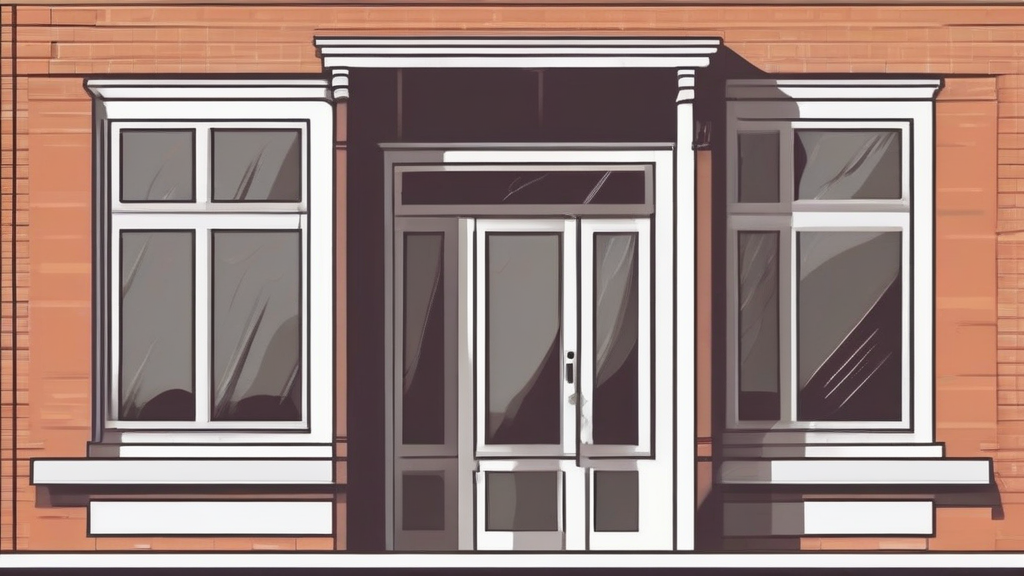
Why Your Home is Leaking Money
Have you ever walked past your front door on a windy day and felt a distinct chill against your ankles? Or maybe your living room feels like a wind tunnel whenever a winter storm rolls through. If your energy bills are skyrocketing despite your best efforts to keep the thermostat steady, you aren't alone.
Most homeowners lose a significant chunk of their income to air leaks. It’s essentially throwing cash directly out of the window. By learning some simple tips for saving electricity and water: drastically reduce monthly expenses, you can plug those invisible holes and keep your hard-earned money in your bank account where it belongs.
I remember my first apartment; it was a charming, historic building that looked great but leaked air like a sieve. I spent a fortune on heating before I realized that I didn't need a renovation budget to fix the problem. You just need a little bit of patience and a few affordable supplies from the hardware store.
The Basics of Home Air Sealing
Before you run out to buy expensive tools, you need to understand how building insulation works in tandem with air sealing. Insulation keeps the heat inside, but air sealing stops the drafts from blowing through your walls in the first place.
Drafty windows and doors are the most common culprits. Over time, the materials around these openings shrink, warp, or crack. This creates gaps that let conditioned air escape and outside air infiltrate your living space.
When you start sealing these gaps, you are essentially tightening the thermal envelope of your home. This is one of the most effective tips for saving electricity and water: drastically reduce monthly expenses because your HVAC system won’t have to cycle nearly as often. It’s a win-win for your wallet and the planet.
How to Identify Where You’re Losing Air
You can’t fix what you can’t find. Grab a stick of incense or a thin piece of toilet paper and walk around the perimeter of your windows and door frames on a windy day. The movement of the smoke or the paper will point you exactly to the leaks.
Pay close attention to these areas:
- The bottom of exterior doors (the threshold).
- The corners of window frames.
- The space between the window sash and the frame.
- Electrical outlets on exterior walls.
If you find a breeze, mark it with a small piece of painter's tape. Don't worry if you find dozens of spots; fixing them is usually a quick, low-cost job that pays for itself in just a few months.
DIY Solutions for Drafty Doors
Your front door is likely the biggest "hole" in your home. If you can see light peeking through the edges, you are losing a massive amount of energy. Fortunately, you can seal these gaps for under twenty dollars.
Installing Door Sweeps and Weatherstripping
A door sweep is a simple strip of plastic, metal, or rubber that attaches to the bottom of the door. It creates a seal against the floor, preventing cold air from rushing in. It is one of the most practical tips for saving electricity and water: drastically reduce monthly expenses that any beginner can master.
For the sides and top of the door, use adhesive-backed foam weatherstripping. Clean the door frame thoroughly before applying it, or the adhesive won't stick. Once applied, close the door and check for a snug fit. You should feel a slight resistance when you turn the deadbolt.
If you want to get fancy, you can use V-seal weatherstripping. It’s a bit more durable than foam and holds up better to constant opening and closing. It’s an investment of maybe five dollars, but the peace of mind is worth every cent.
Sealing Windows Without Replacing Them
Windows are notorious for being drafty, especially in older homes. While replacing them with modern double-pane glass would be great, it’s not always in the budget. You can achieve similar results by focusing on sealing the gaps that already exist.
Budget-Friendly Window Hacks
Clear window film is a game-changer. It’s a shrink-wrap plastic that you apply to the window frame with double-sided tape and then shrink tight with a hair dryer. It creates a dead-air space that acts as an additional layer of insulation.
Don't forget about the window lock. Often, the latch is the only thing pulling the window sash tight against the frame. If your latch is loose, the window won't seal properly. A quick adjustment with a screwdriver can make a world of difference.
For windows that you don't plan on opening during the winter, consider using removable caulk. It’s a thick, putty-like substance that you press into the cracks. When spring arrives, you just peel it off without damaging the paint or the wood.
Addressing Related Utility Costs
While we are focusing on air leaks, remember that your home's overall efficiency is a system. Once your house is airtight, your energy usage will drop, but you can go further by addressing water consumption. Implementing more tips for saving electricity and water: drastically reduce monthly expenses is easier than you think.
For instance, install low-flow aerators on your kitchen and bathroom faucets. These cost a few dollars and can cut your water usage by up to 50 percent. It’s a small change that ripples through your utility bill over time.
Also, consider the water heating costs in your home. If your water heater is set to 140 degrees, turn it down to 120. You won't notice the difference in your shower, but your water heater will consume significantly less energy to keep that tank hot.
Maintaining Your Gains
Once you’ve sealed your home, the work isn't quite done. Seasonal changes can cause materials to expand and contract, which might loosen your seals. Make it a habit to check your windows and doors every fall.
Keep a small kit of supplies in your utility closet: extra foam tape, a tube of caulk, and a spare door sweep. If you notice a draft, fix it immediately. Letting a small leak go for an entire winter season is essentially burning money.
Stay mindful of how you use your home. Closing curtains at night during the winter can trap heat inside, while opening them during the day lets the sun do the work for you. These behavioral habits are just as important as the physical repairs you’ve made.
The Long-Term Impact of Small Fixes
It’s easy to feel like these small DIY tasks don't matter when you see the massive utility bills coming in. But remember, a home is just a collection of small parts. When you fix the seals, you reduce the load on your furnace and your water heater.
These tips for saving electricity and water: drastically reduce monthly expenses because they address the root cause of energy waste. You aren't just masking the problem; you are physically preventing the loss of energy. Over the course of a year, these savings can add up to hundreds of dollars.
Think about what you could do with that extra cash. Maybe it goes into an emergency fund, a home improvement project, or a vacation. Whatever you choose, it’s a better use of your money than letting it drift away through a gap in your front door.
Final Thoughts on Budget-Conscious Home Maintenance
Improving your home doesn't require a contractor or a massive loan. By focusing on the small, high-impact areas like window frames and door thresholds, you take control of your monthly overhead. You have the power to make your home more comfortable and significantly more efficient.
Start with the most obvious leaks today. Once you feel that first draft stop, you'll be hooked on the process of optimizing your home. It’s a rewarding feeling to know that you are living more sustainably while keeping your expenses low.
Don't wait for the next cold snap to realize your home is leaking. Go grab a roll of weatherstripping and get to work. Your future self—and your wallet—will thank you for it.
Please leave a comment so that I am more enthusiastic about making articles on this website and more enthusiastic about living an incomparable life.
Post a Comment for "How to Seal Drafty Windows and Doors on a Shoestring Budget"