How to Conduct a Professional-Grade Home Energy Audit for Free
Hello, welcome to my website. Want to take full control of your financial future? At Keygenpost (https://www.keygenpost.my.id/), we provide a comprehensive financial literacy guide specifically designed for everyone. Discover practical secrets to managing your personal finances, learn smart steps to start investing, and discover effective strategies for generating stable additional income. Whether you're just starting to learn to save or looking for ways to grow your assets, Keygenpost is ready to be your trusted partner, equipping you with the best financial insights on your path to financial freedom. Happy reading.
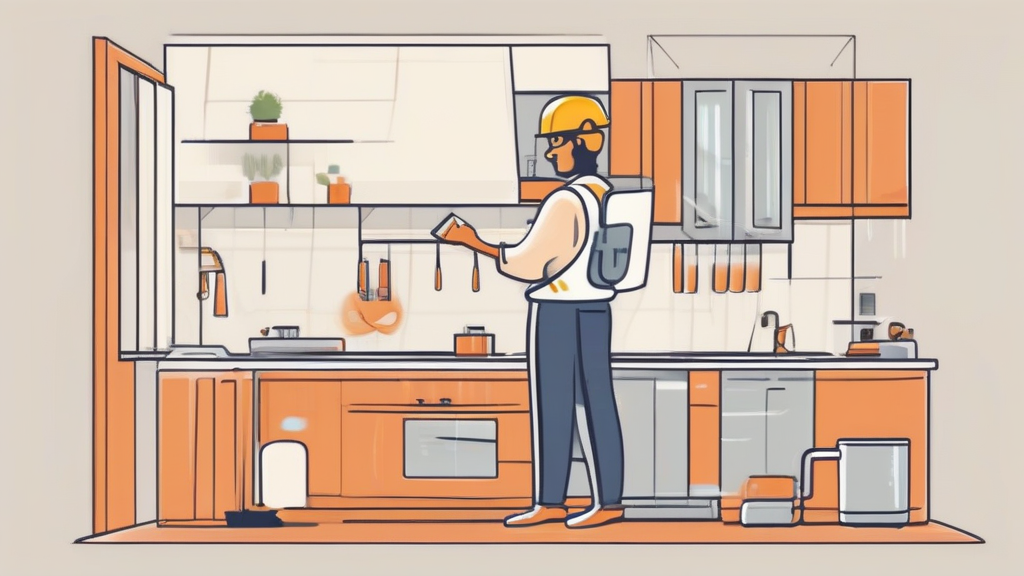
I remember staring at my utility bill last winter, wondering how a two-bedroom house could possibly consume enough power to run a small factory. We often accept these costs as a mandatory tax on modern living, but the truth is, most of us are essentially throwing money out the window—sometimes literally. If you are looking for tips for saving electricity and water: drastically reduce monthly expenses, you don't need to hire an expensive consultant. You just need a screwdriver, a flashlight, and an afternoon of curiosity.
Conducting your own home energy audit is one of the most empowering things you can do for your wallet. It changes your relationship with your home from being a passive consumer to an active manager. Let’s walk through how to audit your space like a pro, without spending a dime.
Preparation: Gathering Your Tools for a Home Energy Audit
Before you start poking around your attic or basement, you need to gather a few basics. You likely have most of these items already hiding in your kitchen junk drawer.
Essential Gear for Your Inspection
- A sturdy flashlight for dark corners and crawl spaces.
- A notebook and pen to document your findings.
- A stick of incense or a thin piece of tissue paper to detect drafts.
- A screwdriver to open up switch plates and outlet covers.
- Your last 12 months of utility bills to establish a baseline.
Having your utility bills handy is non-negotiable. They act as your diagnostic report. Look for seasonal spikes; if your winter bills are triple your summer costs, you know exactly where your primary issue lies.
The Envelope: Checking for Air Leaks and Insulation
The biggest thief in any house is air leakage. We spend a fortune heating or cooling air, only to let it escape through cracks in our door frames or poorly sealed windows. This is the foundation of tips for saving electricity and water: drastically reduce monthly expenses.
How to Spot Drafts Like a Professional
Take your stick of incense and light it. Walk slowly around the perimeter of your home, holding the smoke near windows, doors, electrical outlets, and baseboards. If the smoke stream dances or blows sideways, you’ve found a leak.
You should also inspect your building insulation in the attic. If you can see the floor joists, your insulation is likely inadequate. Adding a layer of blown-in insulation can pay for itself within two winters.
Sealing the Gaps
Once you identify the leaks, the fix is usually cheap. A tube of caulk or a few rolls of weatherstripping can seal a house tight. Don't forget the electrical outlets on exterior walls; those plastic foam gaskets that cost pennies at the hardware store are surprisingly effective at stopping cold air infiltration.
Lighting and Electronics: The Hidden Energy Vampires
We often focus on the big items like the furnace, but it’s the small, persistent draws that kill a monthly budget. Many electronics continue to sip power even when they are turned off, a phenomenon often called phantom load.
Auditing Your Lighting
Walk through every room and count your light bulbs. Are you still holding onto old incandescent bulbs? These are essentially space heaters that occasionally emit light. Replacing them with LEDs is the single easiest upgrade you can make. They use significantly less power and last for years, making them a staple in any strategy for saving electricity and water: drastically reduce monthly expenses.
Managing Phantom Loads
Think about your entertainment center. You have a TV, a gaming console, a sound system, and a streaming device all plugged into one power strip. Even when you aren't watching, they are drawing power. Using a smart power strip that cuts power to secondary devices when the main device is off is a game-changer.
Water Conservation: The Often Overlooked Expense
Water isn't just about the volume you use; it's about the energy required to heat that water. If you have a standard electric water heater, every gallon you save is a double win for your wallet.
Checking for Leaks
A silent toilet leak can waste hundreds of gallons a month. Here is a simple trick: put a few drops of food coloring into your toilet tank. Wait 20 minutes without flushing. If the color appears in the bowl, you have a leak in the flapper valve. It’s an easy, five-dollar fix that stops the constant refilling cycle.
Check your water heating system temperature as well. Many are set to 140°F by default, which is scalding and inefficient. Dialing it back to 120°F is safer for your skin and much easier on your electric bill.
Low-Flow Fixtures
If your showerhead is more than a decade old, replace it. Modern low-flow models provide excellent pressure while using half the water. It’s a simple upgrade that pays for itself in just a few months through reduced water and electricity usage.
Analyzing Your Usage Patterns
Sometimes, the problem isn't the house; it's the habits. Changing your behavior is free, but it requires consistency. To truly master the art of saving electricity and water: drastically reduce monthly expenses, you need to look at your daily routines.
The Laundry and Dishwasher Audit
Do you run half-loads? Stop. Only run the dishwasher and washing machine when they are full. Use cold water for your laundry whenever possible; modern detergents are designed to work perfectly in cold water, and heating the water accounts for nearly 90% of the energy used by a washing machine.
Thermostat Management
If you don't have a programmable thermostat, get one. Even a basic model that lets you set back the temperature at night can save you 10% on your heating and cooling costs. During the day, if the house is empty, there is no reason to keep it at a comfortable temperature for the furniture.
Putting It All Together: Your Action Plan
Now that you have inspected your home, it’s time to prioritize. You don't need to do everything at once. Start with the "low-hanging fruit" that offers the fastest return on investment.
- Week 1: Seal the obvious air leaks around windows and doors.
- Week 2: Replace every incandescent bulb with an LED.
- Week 3: Adjust your water heater temperature and test for toilet leaks.
- Week 4: Implement a new routine for running appliances only at full capacity.
Keep your notebook handy. After you implement these changes, check your next month's bill. Seeing that number drop for the first time is addictive. It’s not just about the money, though that’s a huge perk. It’s about knowing your home inside and out.
You have the power to stop the waste. Start your audit this weekend. You’ll be surprised at how much you’ve been letting slip through the cracks. If you found these tips for saving electricity and water: drastically reduce monthly expenses helpful, share your results with a friend who might be struggling with high bills. Let’s make our homes more efficient, one small fix at a time.
Please leave a comment so that I am more enthusiastic about making articles on this website and more enthusiastic about living an incomparable life.
Post a Comment for "How to Conduct a Professional-Grade Home Energy Audit for Free"