Greywater Systems 101: A Homeowner’s Guide to Sustainable Plumbing
Hello, welcome to my website. Want to take full control of your financial future? At Keygenpost (https://www.keygenpost.my.id/), we provide a comprehensive financial literacy guide specifically designed for everyone. Discover practical secrets to managing your personal finances, learn smart steps to start investing, and discover effective strategies for generating stable additional income. Whether you're just starting to learn to save or looking for ways to grow your assets, Keygenpost is ready to be your trusted partner, equipping you with the best financial insights on your path to financial freedom. Happy reading.
Understanding Greywater: The Basics of Home Water Reuse
I remember standing in my laundry room, watching hundreds of gallons of water swirl down the drain every month. It felt like flushing money down the pipes. If you’ve ever looked at your utility bill and felt a sharp sting, you aren’t alone. We often focus on turning off lights, but the real silent drain on your bank account is the water we use once and discard.
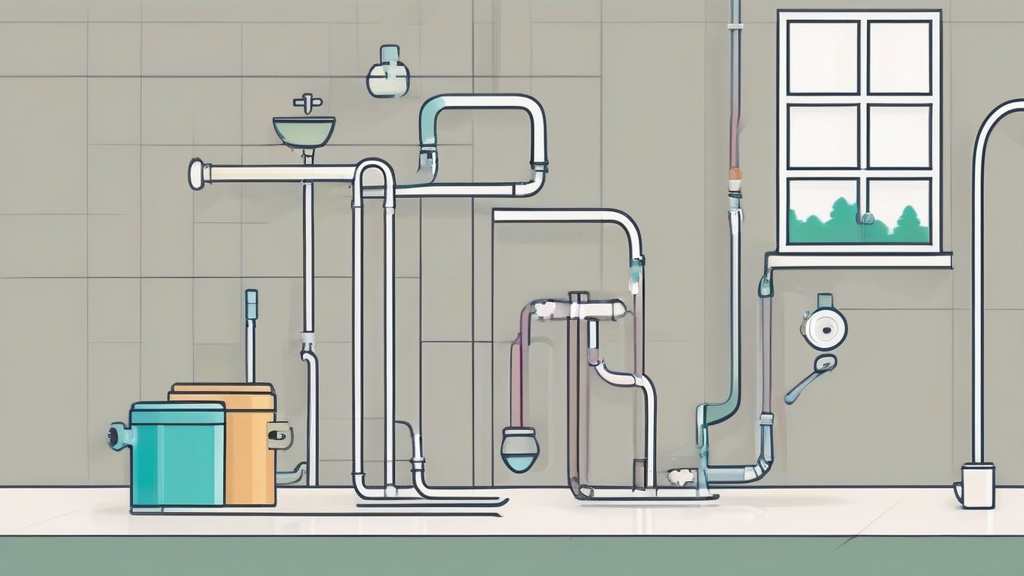
Greywater is essentially the wastewater generated from bathroom sinks, showers, tubs, and washing machines. It’s distinct from "blackwater," which comes from toilets or kitchen sinks containing food waste and grease. By repurposing this relatively clean water, you can implement effective tips for saving electricity and water: drastically reduce monthly expenses while maintaining a lush landscape.
Many homeowners are intimidated by the plumbing aspect, but it’s simpler than you think. You’re essentially redirecting water that would otherwise head to the sewer system. Instead, it gets filtered or diverted directly to your garden beds or fruit trees. It’s a closed-loop philosophy that feels incredibly rewarding once you see your first harvest.
Why Modern Plumbing Needs a Sustainable Shift
Our current municipal systems are under immense pressure. We treat water to drinking standards, pump it into our homes, use it for five minutes, and then send it to a treatment plant. That cycle is energy-intensive and expensive. When you install a greywater system, you are reducing the load on your local sewage treatment facility significantly.
Beyond the environmental impact, there’s the sheer economic benefit. If you live in an area with high water rates or frequent drought restrictions, a greywater system acts as a private reservoir. You stop paying for municipal water to keep your lawn green. It’s a shift from being a passive consumer to an active manager of your home’s resources.
Tips for Saving Electricity and Water: Drastically Reduce Monthly Expenses
Saving money isn't just about the water itself; it’s about the energy required to move and heat it. When you reduce your water consumption, you’re also reducing the work your water heater performs. This is where the magic happens for your budget.
Consider these practical strategies to lower your overhead:
- Install low-flow aerators on all faucets to maintain pressure while cutting volume.
- Upgrade to an on-demand water heater to eliminate the energy lost keeping a tank of water hot 24/7.
- Use a laundry-to-landscape system that gravity-feeds wash water to your thirsty trees.
- Monitor your smart meter to identify leaks before they become expensive surprises.
Every gallon saved is a cent earned. When you combine these tips for saving electricity and water: drastically reduce monthly expenses, you create a compounding effect. You’ll notice the change in your bank account within just two billing cycles.
The Energy-Water Nexus
Water and energy are inextricably linked. It takes energy to pump water to your home, and it takes energy to heat it once it arrives. By reusing greywater for irrigation, you bypass the need for municipal pumping for your garden. This is a massive win for your energy conservation efforts at home.
Think about the last time you ran a load of laundry. That water was likely heated, then pumped, then treated. By sending that water to your garden, you’ve effectively repurposed a resource that you already paid to heat and move. It’s the ultimate form of home efficiency.
Setting Up Your First Greywater System
You don’t need to be a master plumber to get started. Most residential greywater systems are simple gravity-fed setups. The most common starting point is the washing machine. Since most machines have an internal pump, they can push water through a hose out to your yard with minimal effort.
Start by identifying which plants in your yard could benefit from consistent moisture. Fruit trees and ornamental shrubs usually thrive on greywater. Avoid using it on root vegetables or plants where the edible part touches the soil, just to stay on the safe side regarding hygiene.
Choosing the Right Soaps and Detergents
If you plan to use your laundry water for irrigation, your choice of soap is critical. Harsh chemicals, bleaches, and boron-based detergents will kill your plants faster than a drought will. You need to switch to eco-friendly, biodegradable soaps.
Look for labels that explicitly state they are greywater-safe. It’s a small change in your shopping habits that has a massive impact on your garden’s health. If you use a high-quality, plant-friendly soap, your garden will essentially be fertilized by your laundry routine.
Maintaining Efficiency Over the Long Term
Systems need love to keep working. A greywater setup isn't a "set it and forget it" appliance. You need to check your mulch basins regularly to ensure the water is infiltrating the soil properly. If the mulch gets clogged with lint or soap scum, the water won’t drain, which leads to puddles.
Clear out the lint traps on your washing machine every few loads. It’s a simple task that keeps your system flowing freely. Also, take a walk through your garden once a month to inspect the distribution lines. Are the trees getting enough? Is there any standing water? A quick visual check prevents long-term plumbing headaches.
Scaling Your Savings
Once you’ve mastered the laundry-to-landscape setup, you might look at your shower water. This requires a bit more technical skill, as it usually involves a diversion valve or a pump, but the volume of water is significantly higher. If you have a family of four, the shower is where the bulk of your greywater originates.
When you scale up, keep a log of your utility bills. Seeing the graph trend downward is incredibly motivating. You aren't just saving pennies; you are reclaiming your autonomy from utility companies. That feeling of independence is worth more than the money itself.
Common Myths About Greywater
People often worry about the "ick" factor. They imagine their yard smelling like a sewer or their plants dying from chemicals. If you follow basic common sense—like not storing the water for more than 24 hours—you won't have any odor issues. Greywater is not sewage. It’s just water that has been used once.
Another myth is that it’s illegal everywhere. While you should always check your local building codes, many municipalities are now actively encouraging greywater use to combat water scarcity. Some even offer rebates for installing these systems. It pays to do a quick search on your city’s planning website before you start digging.
The Path Forward for Sustainable Living
We are living in an era where resource management is becoming a necessity rather than a hobby. By adopting these tips for saving electricity and water: drastically reduce monthly expenses, you are taking control of your home’s footprint. It’s a journey that starts with a single hose and ends with a more resilient, efficient household.
I encourage you to look at your home with fresh eyes. Where is the water going? How hard is your water heater working? You have the power to change these systems, one pipe at a time. It’s not just about the money you save; it’s about the peace of mind that comes from knowing you’re doing your part for the planet while keeping your household budget in check.
Start small, test your system, and observe how your garden responds. You might be surprised at how much you can achieve with just a little bit of curiosity and a few hardware store supplies. Ready to take the plunge? Your wallet and your landscape will thank you.
Please leave a comment so that I am more enthusiastic about making articles on this website and more enthusiastic about living an incomparable life.
Post a Comment for "Greywater Systems 101: A Homeowner’s Guide to Sustainable Plumbing"