10 Hidden Electricity Hogs in Your Kitchen You Need to Unplug Now
Hello, welcome to my website. Want to take full control of your financial future? At Keygenpost (https://www.keygenpost.my.id/), we provide a comprehensive financial literacy guide specifically designed for everyone. Discover practical secrets to managing your personal finances, learn smart steps to start investing, and discover effective strategies for generating stable additional income. Whether you're just starting to learn to save or looking for ways to grow your assets, Keygenpost is ready to be your trusted partner, equipping you with the best financial insights on your path to financial freedom. Happy reading.
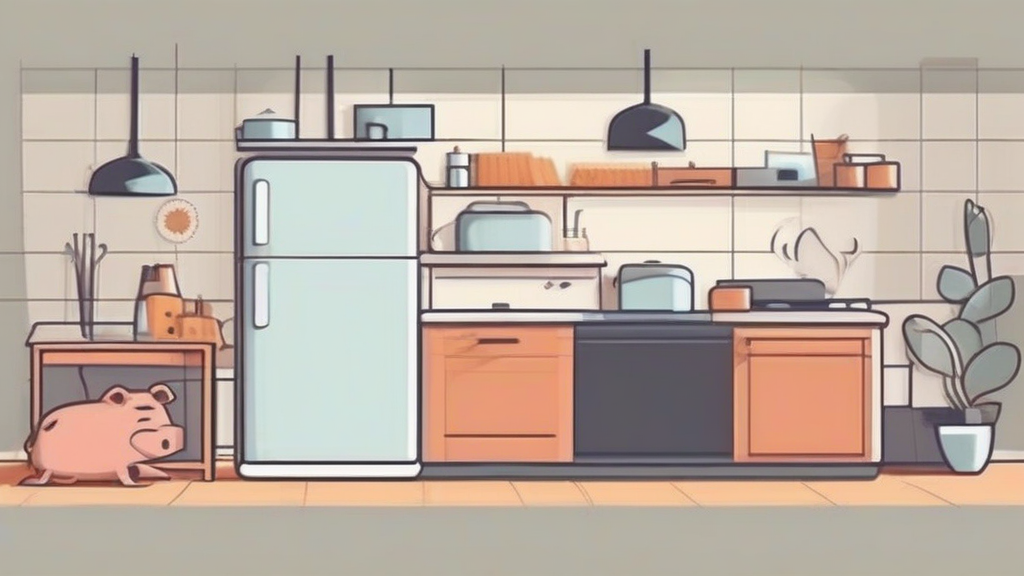
I remember walking into my kitchen late one night, looking for a glass of water, when I noticed something odd. The little digital clock on my microwave was glowing, the coffee maker had a standby light blinking, and the toaster was warm to the touch. That’s when it hit me: my kitchen wasn't just a place to cook; it was a silent, power-hungry beast draining my bank account while I slept.
If you are looking for tips for saving electricity and water: drastically reduce monthly expenses, you have to look beyond the obvious. We often blame the HVAC system or the laundry dryer, but the kitchen is where the real "vampire energy" hides. It’s time to stop paying for power we aren't even using.
The Hidden Reality of Kitchen Energy Consumption
Most of us treat our kitchen appliances as "set it and forget it" items. However, many of these gadgets consume electricity even when they are turned off. This is known as standby power or phantom load. It sounds small, but it adds up to roughly 10% of your total residential energy bill.
When you start applying tips for saving electricity and water: drastically reduce monthly expenses, you shift your mindset. You stop viewing your home as a static environment and start seeing it as an ecosystem you can manage. Let’s tackle the biggest culprits hiding in plain sight.
1. The Coffee Maker’s Warming Plate
There is nothing quite like a fresh pot of coffee in the morning. But leaving that machine on so the carafe stays hot for hours? That is a massive waste of energy. The heating element is constantly cycling to maintain temperature, which is an inefficient way to keep a beverage warm.
Instead, brew your coffee and immediately transfer it to a high-quality thermal carafe. You’ll save money, and honestly, the coffee tastes better because it isn't being "cooked" on a hot plate. Your utility bill will thank you for the change.
2. The Microwave Clock and Standby Mode
That little green or blue clock on your microwave is a constant draw on your electrical panel. While it seems negligible, it runs 24/7, 365 days a year. If you aren't using the microwave, why does it need to be powered?
If you want to be extreme, unplug it when not in use. If that’s too much of a hassle, consider a smart plug. These devices allow you to cut power to specific outlets on a schedule, ensuring your appliances are only drawing juice when you actually need them.
3. The Toaster Oven’s Phantom Draw
Toaster ovens are convenient, but they are notorious for having poor insulation. If you have an older model, the casing gets hot to the touch, which means heat is escaping into the room instead of staying inside to toast your bagel. This is a classic example of thermodynamic heat transfer inefficiency.
Check the seals on your toaster oven. If they are cracked or loose, you are losing money every time you toast a slice of bread. It might be time for an upgrade to a more energy-efficient model with better insulation.
Appliances That Drain More Than Just Power
It’s not just about electricity. Many kitchen habits lead to excessive water waste, which hits your wallet just as hard. When you are looking for tips for saving electricity and water: drastically reduce monthly expenses, you have to look at how your appliances interact with your plumbing.
4. The Dishwasher’s Heated Dry Cycle
Most of us press "start" and walk away. But have you ever looked at the settings? The "heated dry" feature is one of the most energy-intensive parts of the dishwashing cycle. It uses a heating element to bake your dishes dry, which is totally unnecessary.
Try opening the dishwasher door slightly once the wash cycle finishes. Let the dishes air dry naturally. You will save a significant amount of electricity, and your dishes will come out just as clean and dry without the extra heat blast.
5. The Aging Refrigerator Gaskets
Your refrigerator is the hardest working appliance in the house. If the rubber gaskets around the doors are worn out, cold air leaks out, and the compressor has to work overtime to keep the interior temperature low. This is a major refrigeration failure that happens in millions of homes.
Test your seal by closing the door on a piece of paper. If you can pull the paper out easily, your seal is shot. Replacing a simple gasket is a cheap fix that pays for itself in electricity savings within a few months.
6. The Under-Sink Water Heater
Many modern kitchens have instant hot water dispensers under the sink. These are convenient, but they keep a small tank of water heated at all times. It’s basically a miniature, inefficient water heater that runs constantly.
If you don't use it daily, consider turning it off or installing a timer. You’ll be surprised how much energy is wasted keeping water hot for a cup of tea you only make on weekends.
Smart Habits for a Leaner Kitchen
Changing your gear is only half the battle. The other half is changing your behavior. Adopting new habits is the most effective way to see a drop in your monthly utility costs.
7. The Electric Kettle vs. The Stove
Many people boil water on an electric stove. This is incredibly inefficient because the burner has to heat the metal coil, then the pot, then the water. An electric kettle is much faster and more direct.
Only boil the amount of water you actually need. Boiling a full kettle for one cup of tea is a waste of both water and the energy required to heat that excess volume. It’s a simple shift that creates a big impact over time.
8. The "Always-On" Kitchen TV or Radio
Do you have a small TV or a dedicated smart speaker in the kitchen for background noise? These devices are often left on even when we leave the room. They might seem small, but they contribute to your total phantom load.
Make a conscious effort to turn off electronics the moment you step out of the kitchen. If you’re playing music, use a device that has a low-power "sleep" mode or turns off automatically after a period of inactivity.
9. Improperly Loaded Dishwashers
Overloading or underloading your dishwasher is a recipe for wasted resources. If you overload it, the water can't reach all the dishes, and you end up having to wash them twice. If you underload it, you’re wasting water and energy on a half-empty cycle.
Wait until you have a full load, but don't pack it so tightly that the spray arms are blocked. This balance is key to maximizing efficiency and getting the most out of every cycle.
10. The Hidden Power of LED Lighting
If you are still using incandescent or halogen bulbs in your under-cabinet lighting or overhead fixtures, you are burning money. LEDs use a fraction of the power and last significantly longer.
Replacing these lights is one of the easiest tips for saving electricity and water: drastically reduce monthly expenses. It’s a low-effort, high-reward upgrade that brightens your space while lowering your bill immediately.
Taking Control of Your Monthly Expenses
Look, I know that checking your microwave clock or cleaning your fridge gaskets sounds like a chore. But when you add up all these small "leaks" in your energy usage, you’re looking at hundreds of dollars a year. That’s money that could be better spent on things you actually enjoy.
Start by picking just two or three things from this list to change this week. Don't try to overhaul everything at once. Once you see that first bill come back lower than the previous month, the motivation to keep going will come naturally.
You have the power to stop the silent drain. Whether it’s unplugging the toaster or switching to cold-water rinses, every little bit counts. Take charge of your kitchen today and watch your monthly expenses drop. You’ve got this!
Please leave a comment so that I am more enthusiastic about making articles on this website and more enthusiastic about living an incomparable life.
Post a Comment for "10 Hidden Electricity Hogs in Your Kitchen You Need to Unplug Now"